
Posts by:

johncale

Spring Means Homes For Sale!

There are loads of harbingers for Spring – Forsythia blooming, birds starting to chirp and nest, blubs popping up and blooming… but there is another sign as well! The proverbial FOR SALE sign that marks the telltale beginning of selling season in the housing market! While the internet and online selling platforms have changed the landscape of new home and resale listing to practically year ‘round, Spring is STILL the most popular time of year for home sales and listings! The best time to list is generally the late spring, specifically in May as these are ideal times to maximize both sale price and speed. Nationally, homes listed in May can earn a premium of up to 13.1% above market value. Optimal Timing Depending on your primary goal, the “best” time varies slightly:
  • For Maximum Profit: May is the peak month for price premiums. Zillow specifically identifies the last two weeks of May as the optimal window for higher returns.
  • For Fastest Sale: April is often the best month for speedy sales, with homes selling nearly a week faster than the annual average.
  • Best Week to List: Historically, the week of April 13–19 is identified as a “sweet spot” where homes receive more views and sell faster with fewer price reductions.
  • Best Day of the Week: Thursday is widely considered the best day to go live. Listings on Thursday generate interest just as buyers are planning their weekend tours. Wednesday is also noted for potentially higher sale prices.
Seasonal Performance
  • Spring (March–May): Peak Season. High demand, improved curb appeal from blooming landscapes, and families aiming to move before the new school year.
  • Summer (June–August): High Activity. Strong prices continue, but competition increases as more inventory hits the market. Activity typically slows by late August.
  • Fall (September–November): Balanced Market. Fewer buyers, but those looking are often highly motivated to close before the holidays. October and November are generally cited as the worst months for price premiums.
  • Winter (December–February): Slowest Season. Lowest inventory and fewer buyers due to weather and holidays. However, buyers active during this period are usually serious (e.g., job relocations) and face less competition.
Strategic Considerations
  • Local Market Dynamics: Regional climates shift these windows; for example, warmer areas like Florida or Arizona may see strong activity in winter. Our seasonal climate in Virginia can also be included in this algorithm.
  • Inventory Levels: Listing when inventory is low (late winter/early spring) can help your home stand out before the “spring rush” saturates the market.
  • Mortgage Rates: Regardless of the season, a drop in interest rates can trigger a surge in buyer demand.

Whether you are buying or selling this year, remember to CALL CALE for trusted experience and market knowledge! We are here to help you with all of your real estate needs!
By 0 Comments

Have You Burped Your Home? Newest Trend Is Actually An Old One!

Many of you might remember or recall your mom or even grandmom opening the house during the wintertime after someone was sick, or even just to “let in some fresh air.” “Burping” your home is a viral wellness trend that is making its way around social media. Inspired by the German practice of lüften—it involves briefly opening windows and doors to flush out stale indoor air and replace it with fresh outdoor air. Your friends at Cale are offering you the following tips and hints if you want to jump on the house burp bandwagon: Why Should You “Burp” Your Home Modern homes are often tightly sealed for energy efficiency, which can trap pollutants and moisture inside. Regularly “burping” helps:

  • Improve Air Quality: It thins out the buildup of carbon dioxide (CO2), volatile organic compounds (VOCs), and allergens from cooking, cleaning, and breathing.
  • Prevent Mold: Releasing trapped humidity from showers and cooking helps prevent condensation and mold growth.
  • Boost Well-being: Fresh air can reduce symptoms like brain fog, headaches, and fatigue caused by high CO2 levels.
  • Improve Heating Efficiency: Damp air is harder to heat; letting in drier winter air can actually make your home easier to warm up once the windows are closed.
How to Do It Correctly
  • The “Shock” Method: Instead of leaving a window cracked all day, which wastes energy, open all windows wide for a short “shock” burst of 5 to 10 minutes.
  • Create Cross-Ventilation: Open windows on opposite sides of the house to create a draft that shifts air much faster.
  • Choose the Right Time: Aim for early morning or midday when outdoor humidity and traffic pollution are typically lower.
  • Target Key Areas: Focus on rooms with the most moisture or activity, such as the kitchen, bathroom, and bedrooms.
Note: Skip the “burp” if outdoor air quality is poor due to wildfire smoke, high pollen counts, or heavy rush-hour traffic.
By 0 Comments

Maximizing Home Comfort During Winter Months!

Winter began on December 21, 2025, and will transition to Spring on March 20. 2026, so we still need to be cognizant of ways to keep our living spaces as comfortable as possible. Whether the outside temps are below freezing or as our regional rollercoaster weather forecasts hints at mild days. Maximizing your home’s comfort in 2026 involves a blend of smart technology, strategic insulation, and cozy lifestyle adjustments. Here are several key points Cale Realty suggests you try to enjoy comfort this winter season.
  1. Heat Management
  • Setting ceiling fans to rotate clockwise on low speed creates an updraft that pushes warm air trapped at the ceiling back down into the living space.
  • Bring the warmth from outside inside by opening curtains on south-facing windows during sunny days to let natural warmth in. Close them immediately at sunset to add a layer of insulation against the glass.
  • Set your thermostat to 68°F (20°C) when home and lower it by 7–10 degrees while sleeping or away. Automating this with a smart thermostat can save up to 10% on annual heating costs.
  • Close doors and vents in guest rooms or storage areas to concentrate heat in occupied spaces.
  1. Draft Protection and Insulation
  • Seal gaps around doors and windows with weatherstripping or caulk. A simple “dollar bill test”—closing a door on a bill and seeing if it pulls out easily—can identify worn seals.
  • Use draft blockers or even rolled-up towels at the base of exterior doors to block cold air.
  • The use clear plastic film kits to create an extra air barrier on particularly drafty windows can be extremely helpful.
  1. Maintenance for Efficiency
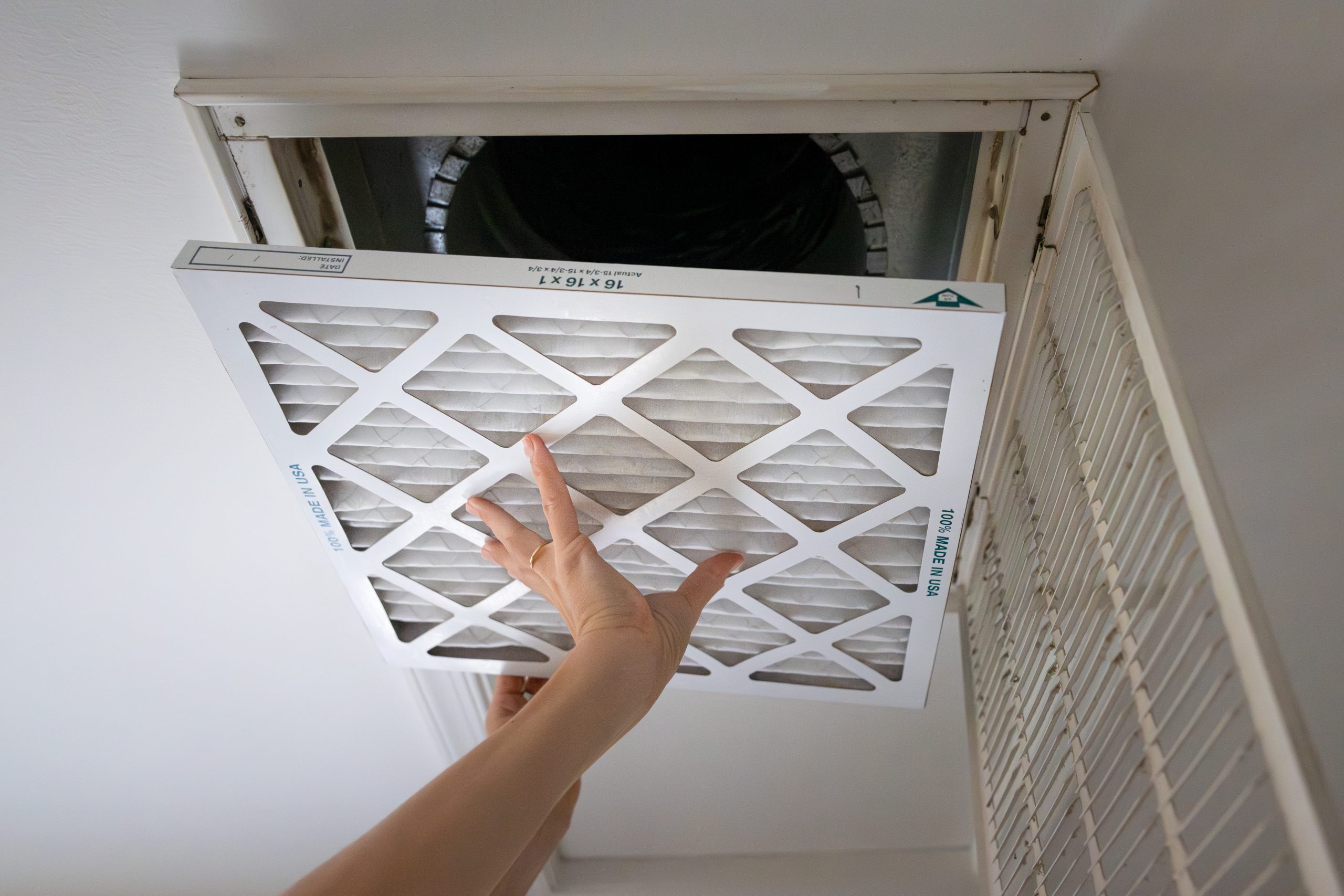
  • Check your HVAC filters every 30 days during winter. Dirty filters restrict airflow, forcing the system to work harder and reducing comfort.
  • Make sure furniture, rugs, or curtains are not blocking heat registers or return vents.
  • Keep your chimney damper closed whenever a fire is not burning to prevent warm air from escaping like an open window.
  1. Lifestyle and Decor Comfort
  • Moist air feels warmer than dry air. Aim for 30–50% humidity using a humidifier or by placing houseplants around the home.
  • Use plush area rugs to insulate cold hardwood or tile floors. Swap light bedding for flannel sheets and weighted blankets to trap body heat more effectively.
  • Use warm-toned LED bulbs or candles to create a psychological sense of warmth during long winter nights.
Comfort doesn’t have to cost a lot, so by following some of these simple suggestions, you can stay warm and help your home’s energy efficiency too!
By 0 Comments

Holiday Inspiration From Cale Realty!

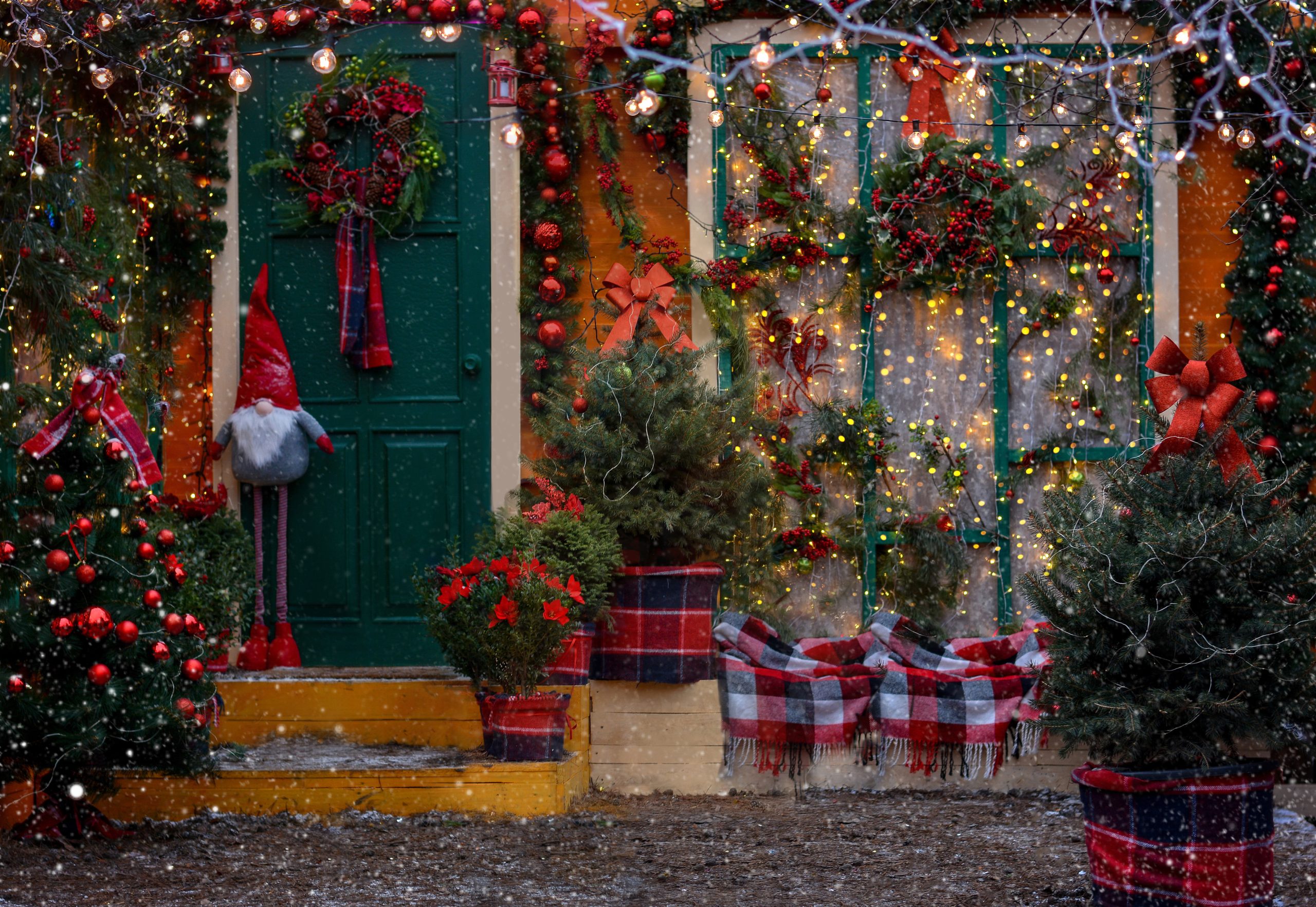
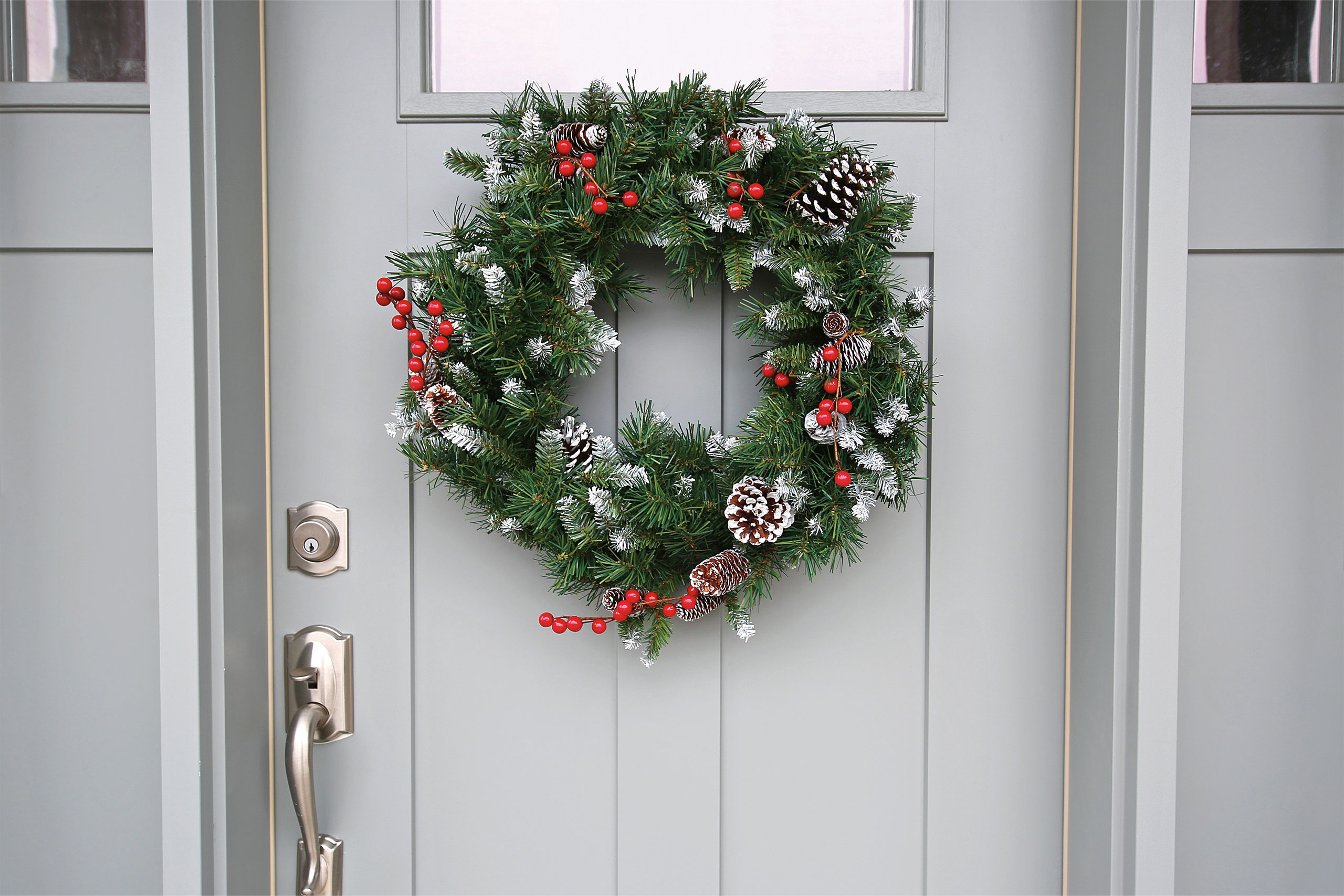
Deck the Door: Festive Front Door Decorating Ideas for the Holidays Your front door is the focal point of your home during the holiday season—it’s the first thing guests see and sets the tone for your indoor cheer. Aside from the traditional wreath, there are countless ways to transform your entryway into a welcoming, festive showpiece. Whether your style is classic, rustic, or wonderfully whimsical, here are several creative ideas from Cale Realty to deck your door for the holidays. Give The Classic Wreath A Boost While a wreath is a staple, you can make it stand out with a few simple additions.
  • Layered Textures: Use a traditional evergreen wreath as a base, then wire in extra natural elements like frosted pinecones, dried orange slices, or bundles of cinnamon sticks for scent and texture.
  • Ribbon Reveal: Swap out thin bows for thick, luxurious velvet or plaid ribbons. Tie a dramatic, oversized bow that hangs nearly the full length of the door.
  • The Unexpected Centerpiece: Instead of a bow, suspend a small, decorative item in the center of the wreath—such as a large silver snowflake ornament, a personalized initial, or a tiny string of battery-operated fairy lights.
Go GAGA With Garland A garland frames your door beautifully and adds immediate scale and drama.
  • The Door Frame Arch: Drape a thick evergreen garland not just over the top, but down both sides of the doorframe. Secure it tightly and weave in weatherproof lights (warm white is always classic).
  • Pine and Pom-Poms: For a whimsical or Scandinavian feel, weave strands of bright, colorful felt pom-poms or small bells into a natural pine garland.
  • Matching Accents: If you have exterior railings or lampposts near your door, ensure your garland style is consistent across all elements for a cohesive look.
The Rustic Charm of Skis and Sleds For a cozy, cabin-in-the-woods aesthetic, incorporate vintage winter sports gear.
  • Sled Stack: Lean a vintage wooden sled against the wall beside your door. Place a galvanized bucket or lantern on top, filled with cut pine boughs and red berries.
  • Crossed Skis: Affix a pair of old wooden skis or snowshoes vertically behind your wreath or garland, creating an X-shape that instantly draws the eye and emphasizes a snowy theme.
  • The Log Pile: Arrange small, cut logs neatly into a square basket next to the door and dust them with a light spray of faux snow.
Lanterns and Light Lighting is essential for making your entryway magical, especially during long winter nights.
  • Pathway of Lanterns: Line the steps leading up to your door with weather-safe lanterns of varying sizes. Fill them with pillar candles (LED versions are safest) and surround the base of each with evergreen sprigs or rock salt for a snowy effect.
  • Curtain of Lights: If your entryway is recessed, consider hanging a simple string light curtain around the inner frame to create a sparkling backdrop for your main decorations.
  • Ambient Glow: Use tiny, battery-operated wire lights (fairy lights) twisted throughout any outdoor baskets or hanging planters to add soft, unexpected pockets of light.
Embrace Non-Traditional Colors If red and green aren’t your preference, try a monochromatic or unexpected color scheme.
  • Icy Blue and Silver: Use a flocked (snow-dusted) wreath and garland, decorated solely with pale blue, white, and silver shatterproof ornaments. This creates a crisp, sophisticated winter wonderland look.
  • Copper and Navy: For a bold, modern feel, choose dark navy bows and ribbons and pair them with metallic accents in copper or rose gold.
  • All Natural: Stick strictly to browns, greens, and whites. Use burlap ribbon, natural birch branches, white cotton stems, and simple, unpainted pinecones for an organic, minimalist approach.
The key to a stunning holiday door is ensuring all elements—from the lighting to the placement—work together to create a cohesive and welcoming statement. A little creativity can turn a simple entryway into a holiday masterpiece that sparks joy all season long.
By 0 Comments

Tips for a Successful Holiday Listing

Listing your home for sale during the holiday season sounds a bit crazy, doesn’t it? But sometimes there are very good reasons why the timing of needing to list your home doesn’t necessarily align with an ideal time of year. You may have a new job in another state, you may have had a change in your life such as a marriage or new baby on the way. Whatever the reason, your friends at Cale are here to share some insight into listing your home “holidays style” so that it gets the traction you need while everyone else may be distracted by twinkling lights and wrapping paper and bows!

Price It Right: Do a little homework and research what similar homes in your area are selling for. You need to set your selling price for your home realistically based on current market conditions to attract buyers who are serious. Just like you needing to sell your home during the holidays, there are buyers who need to buy during this time too.

Use Professional Photos: Buyers start their searching online before stepping one foot out the door to go and look at a potential home. Therefore, professional photos, including virtual tours, are essential for you to convey a strong first impression for prospects.

Decorate Tastefully: While the urge to decorate your holiday home may be great and you want to show off the extensive nutcracker collection or display your Clark Griswold-like talents in exterior lighting, remember, buyers want to buy your home – not the decorations. Keep decorations simple, neutral, and elegant to create a cozy feel without cluttering the space or distracting from the home’s features.

Be Flexible (but Set Boundaries): Realize that even though it is the holiday season and parties, family in town or visiting might be on your calendar, you need to accommodate potential buyers wanting to come into your home to view it. Be ready to accommodate showings but work with your agent to block out specific holidays or family event times to minimize stress for all involved.

Enhance Coziness: Cold and cooler temperatures are not necessarily ideal home showing conditions. But you can use that to enhance the moment! Showcase the winter appeal of your by highlighting a fireplace, using warm lighting, and ensuring the home is comfortably heated during showings. Set out a hot cocoa bar or a plate of freshly baked cookies as a welcome. The little touches can go a long way for potential buyers to envision themselves living in your home and enjoying it no matter what the season is!

Ultimately, whether to list during the holidays depends on your personal circumstances and local market conditions. Consulting with an experienced, local real estate agent such as Cale Realty can help you determine the best approach for a successful sale.
By 0 Comments

Here Comes the Cold – How to Prepare Your Home Before the Temps Drop

Mild November will get a blast of winter’s wrath, but only for a day or so. Consider this your reminder to get your home prepared for the Winter season ahead. There is still time, as once the front passes, we will be back in our normal mild Fall climate that is a huge reason many decide to call Coastal Virginia home.

Check out these preventative measures that if assessed now can prevent bigger issues later in the season.

HVAC Assessment

If you do not already have a yearly maintenance program with a reputable Heating & Air Conditioning company, now is the time to put one in place. HVAC systems work at their optimal best when checked and maintained at least twice a year – before Winter and before Summer. These check-ups ensure your system is ready for continual use such as what typically happens in colder months. Go ahead and schedule an appointment now so your system is prepared for your home’s heating comfort. Change filters for improved efficiency and air quality. Lastly, test your thermostats and if you have a programmable one, made sure it is set for the time change and your winter schedule.

Draft Prevention – if you have compromised seals on windows and doors or gaps too, save yourself time and money by sealing up and caulking any questionable areas. Caulking and weatherstripping creates a tighter seal keeping warm air in and cold air out. Looking for air leaks is more than feeling that cool draft if you sit near a window. Use an incense stick or candle to look and check for “air movement” – this can exist at outlets, switch plates and even pipes that enter your home. The use of foam gaskets can help seal up those areas and keep things cozy inside. One final step is to make sure your pipes are insulated and protected especially in your garage, the room over the garage and crawl spaces.

Water System Protection

Although this area is not prone to deep freezes we have been known to get them for several days at a time. Protecting your water pipes and drains is essential, even if you don’t think a freeze is going to happen, it’s best to be prepared! Start by draining all your outdoor faucets like garden hoses or soaker hoses. Include draining the hose bib too as their water supply lines are prone to freezing too. Even inside pipes that are located near your home’s exterior walls can freeze, so a good insulation of these pipes is helpful too. Shut off valves to the outdoor lines to save yourself grief and costly repairs. Have a professional inspect your roof and gutters. A good cleaning of gutters and downspouts should be part of your yearly if not twice a year routine. Once cleared they allow for proper drainage of melting snow and ice. Clogged gutters can lead to what is known as an ice dam, and if ignored, the results can damage your roof. Locate and test your main water shut off valve – if a water emergency occurs such as a burst pipe, you will want to know where this valve is and shut it off immediately to prevent damage.

Fire Safety Checks

We all love the cozy ambiance of the glow of candles and or a fireplace. And with increased use of these items in our home, comes the need to address fire safety. One common routine is to check all your smoke and carbon monoxide detectors and replace the batteries. A lot of people like to do this when Daylight Savings Time happens twice a year. Since we just turned the clocks back, be sure to go around your home and test and check these detectors. Just like having an annual termite inspection, a fireplace and chimney inspection is important. Before using your fireplace, have a professional come out and inspect yours. Have it cleaned, get the damper checked and make sure no nests have been built in the chimney by birds or squirrels. When using open flames in your home, be sure to keep flame sources three feet away from flammable materials such as paper, wood, blankets, and clothing.

Your friends at Cale Realty want you to have a safe and comfortable winter, and the best way to ensure you will is to routinely check your home for safety and maintenance measures.

By 0 Comments